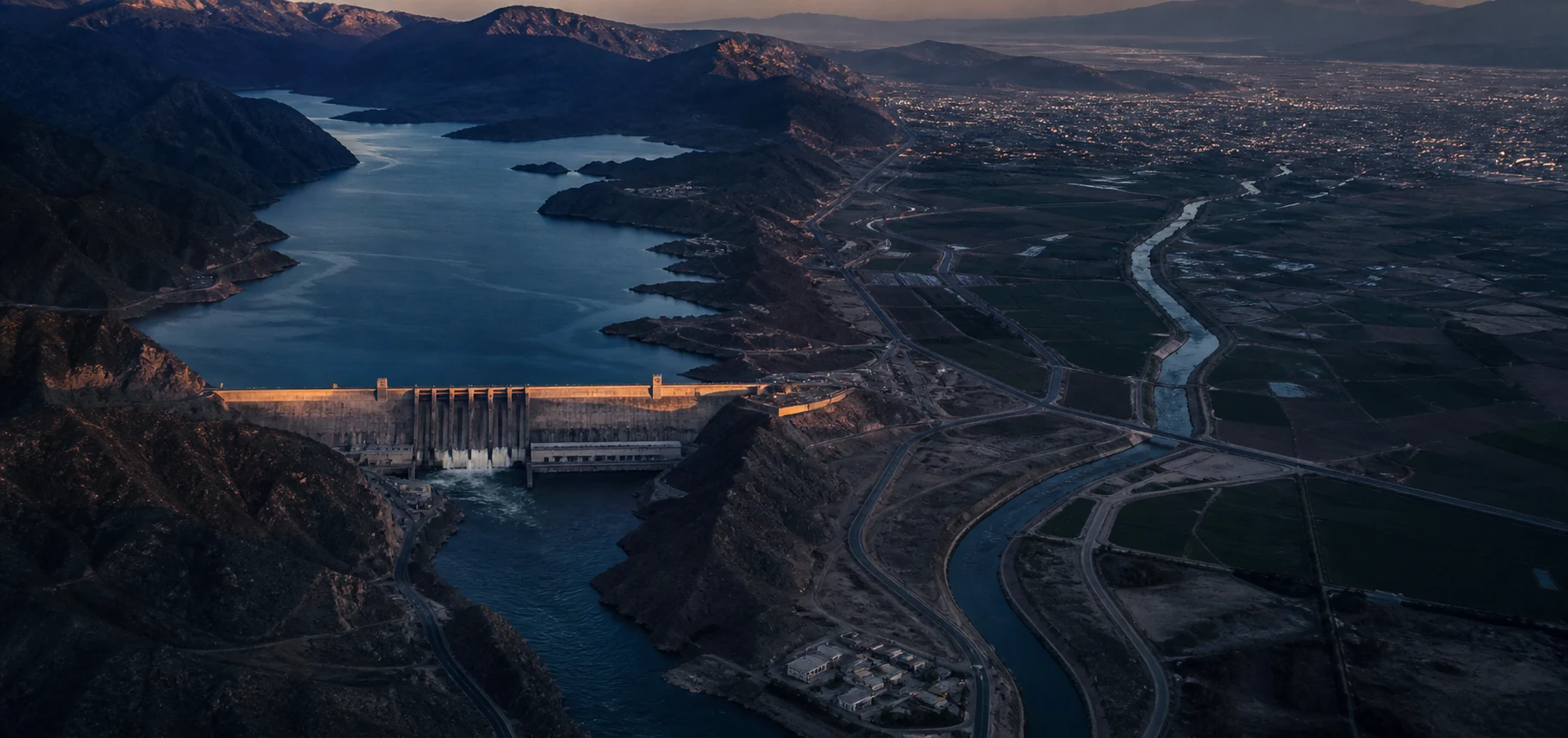
Dams and diversion gates decide when water moves.
WWR / HYDROPOLITICS 001Evidence live
WHO
CONTROLS
THE WATER?
Canals feed farms. Dams power cities. Reservoirs hold entire regions together. The institutions that control the flow can influence what happens downstream.
5 open watch files follow the decisions shaping shared water now12 leaders tracked across six active basin files85% of Crimea's water traditionally came through the North Crimean Canal30 to 40% decline in Tigris and Euphrates flows into Iraq over four decades40 million people depend on the Colorado River1960 Indus Waters Treaty now sits at the center of competing state positions
THE WWR THESIS / 2026
Water is never
just water.
It is food production, electrical power, public health, industry and political stability moving through the same channel.
WWR follows the physical systems behind the headlines. We examine who sits upstream, who depends on the release schedule, what a treaty actually says and where public evidence ends.
DOCUMENTED PRESSURE. NO SECRET PLOT REQUIRED.
Upstream storage can create downstream dependence.
Treaties turn hydrology into diplomacy and law.
War and climate stress expose every weak point.
CASE 01BLACK SEA BASIN
THE CANAL
TO CRIMEA
A freshwater artery became part of a wider struggle over territory, agriculture and control.
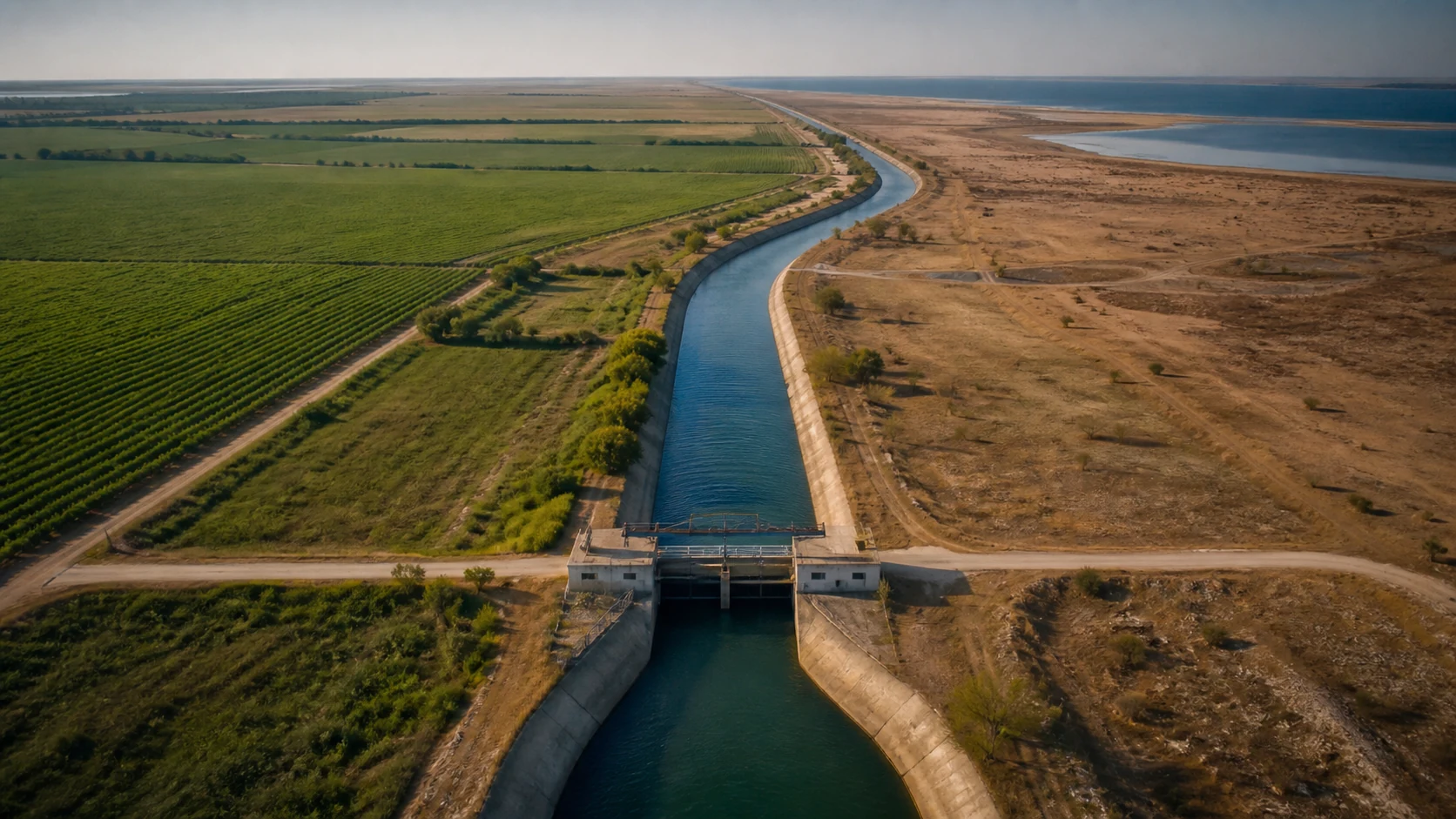
45.3° N / 34.4° E
The flow is cut
After Russia annexed Crimea, Ukraine blocked the canal. The waterway had traditionally supplied about 85 percent of the peninsula's water.
Reuters reporting ↗Forces seize the headworks
Russian forces captured infrastructure controlling the canal early in the full-scale invasion and water began moving south again.
Event timeline ↗The reservoir collapses
The Kakhovka dam breach disconnected four major canal networks, including the North Crimean Canal, from the reservoir.
UNEP assessment ↗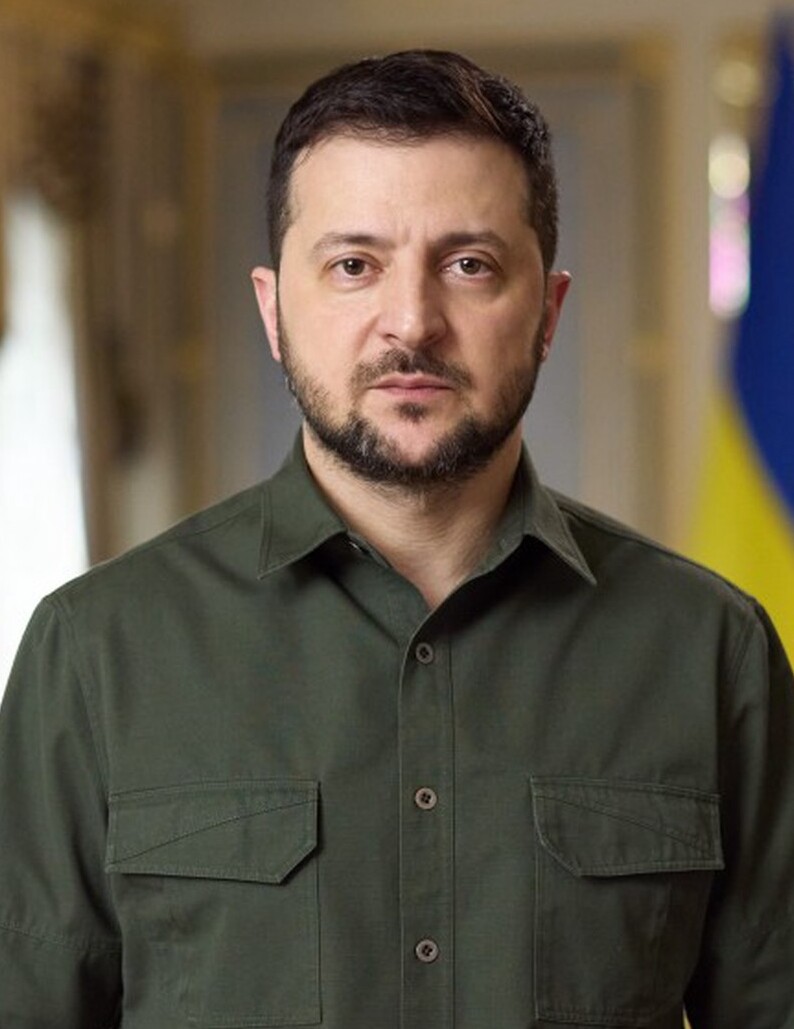
UKRAINEVolodymyr
Volodymyr
Zelenskyy
President of Ukraine
UPSTREAMCONTROLTERRITORYDOWNSTREAM
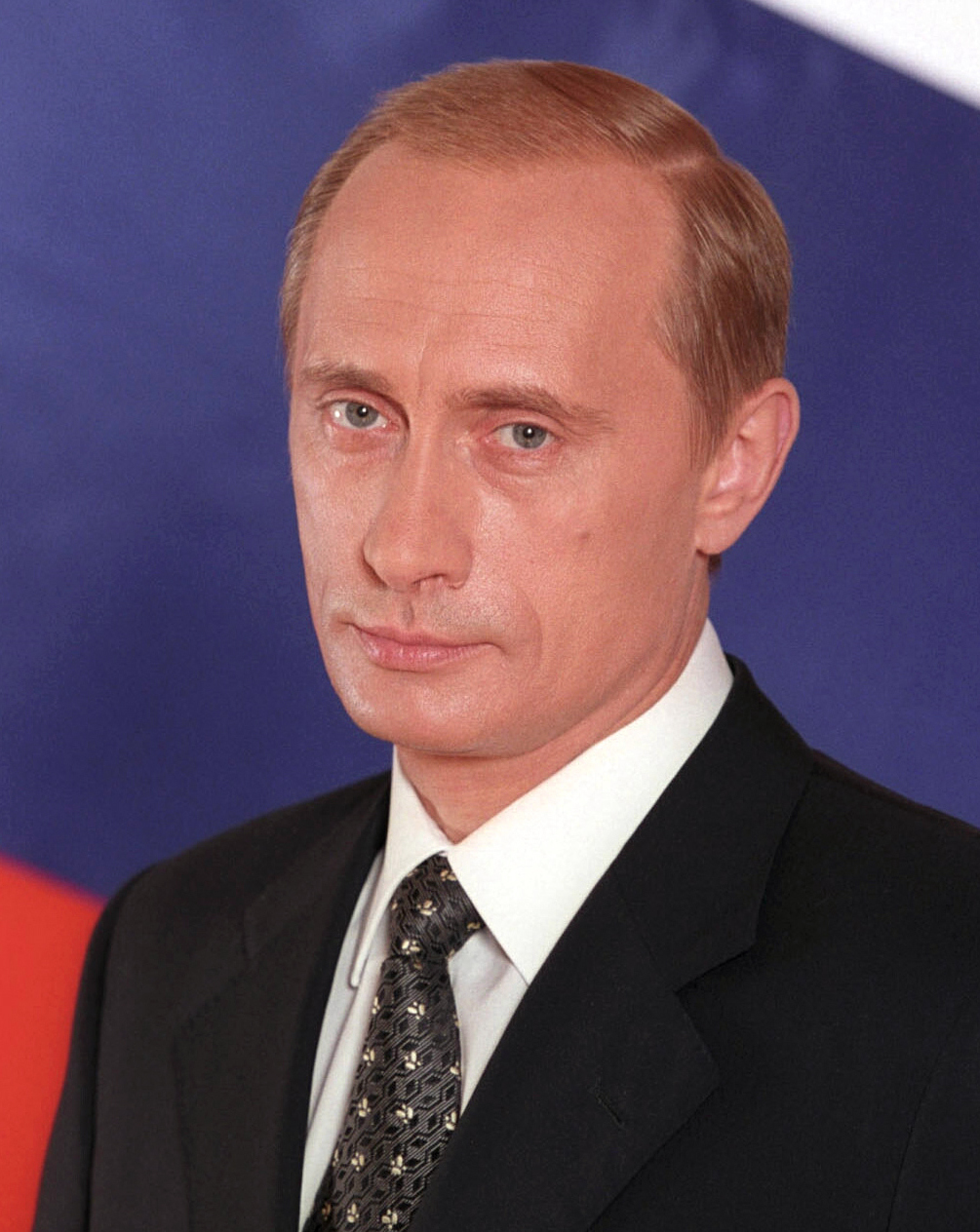
RUSSIAVladimir
Vladimir
Putin
President of Russia
WHAT THE RECORD SHOWS
The canal was a major source of fresh water for Crimea. Its closure created agricultural pressure. Russian forces took the canal infrastructure in 2022. The Kakhovka breach later severed the reservoir connection.
WHAT IT DOES NOT PROVE
The evidence does not establish that canal access alone caused Russia's invasion. It was one strategic factor inside a much larger war over sovereignty, territory, security and power.
THE WATER POWER ATLAS 06 ACTIVE FILES
Follow the river.
Find the leverage.
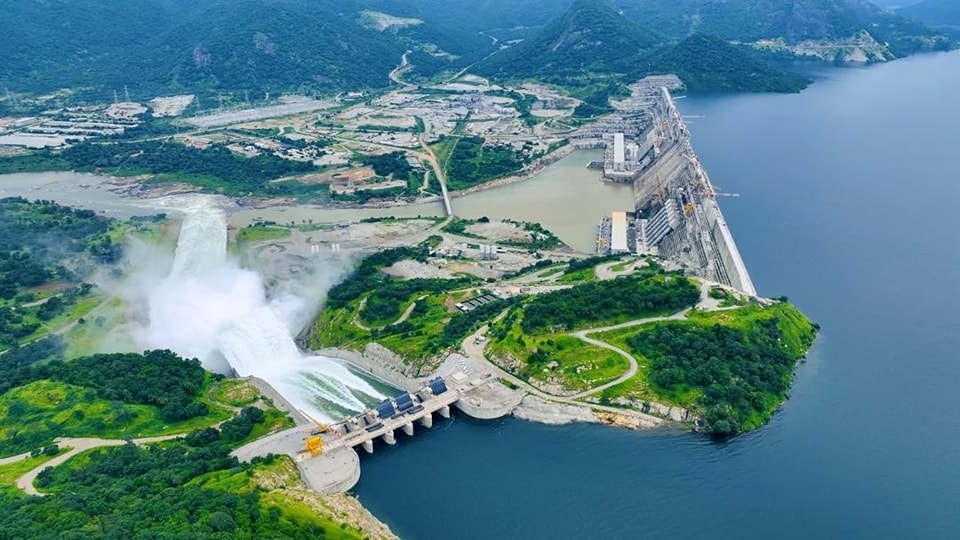
THE DAM THAT
CHANGED THE NILE
Ethiopia calls GERD a project of development and renewable power. Egypt describes reliable Nile flows as a national survival issue. Both positions are on the public record.
2025Ethiopia inaugurated GERD while the operating dispute remained unresolved.
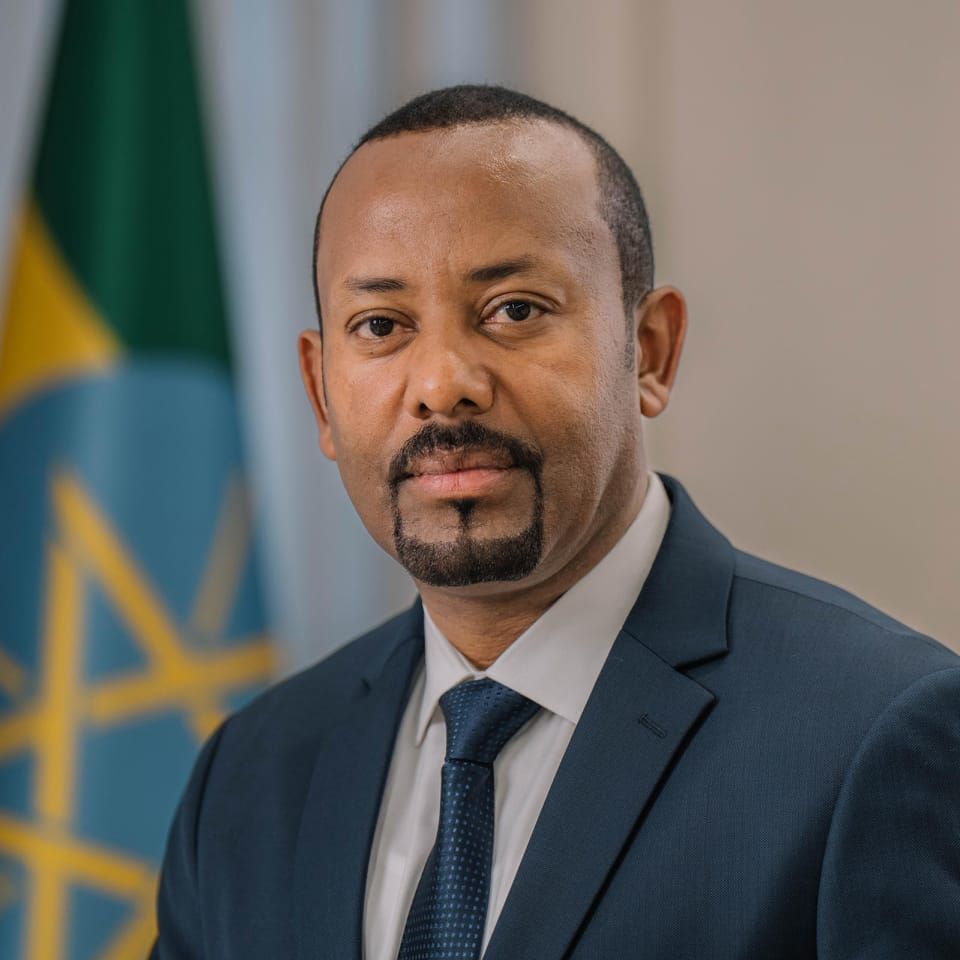 Abiy AhmedEthiopia
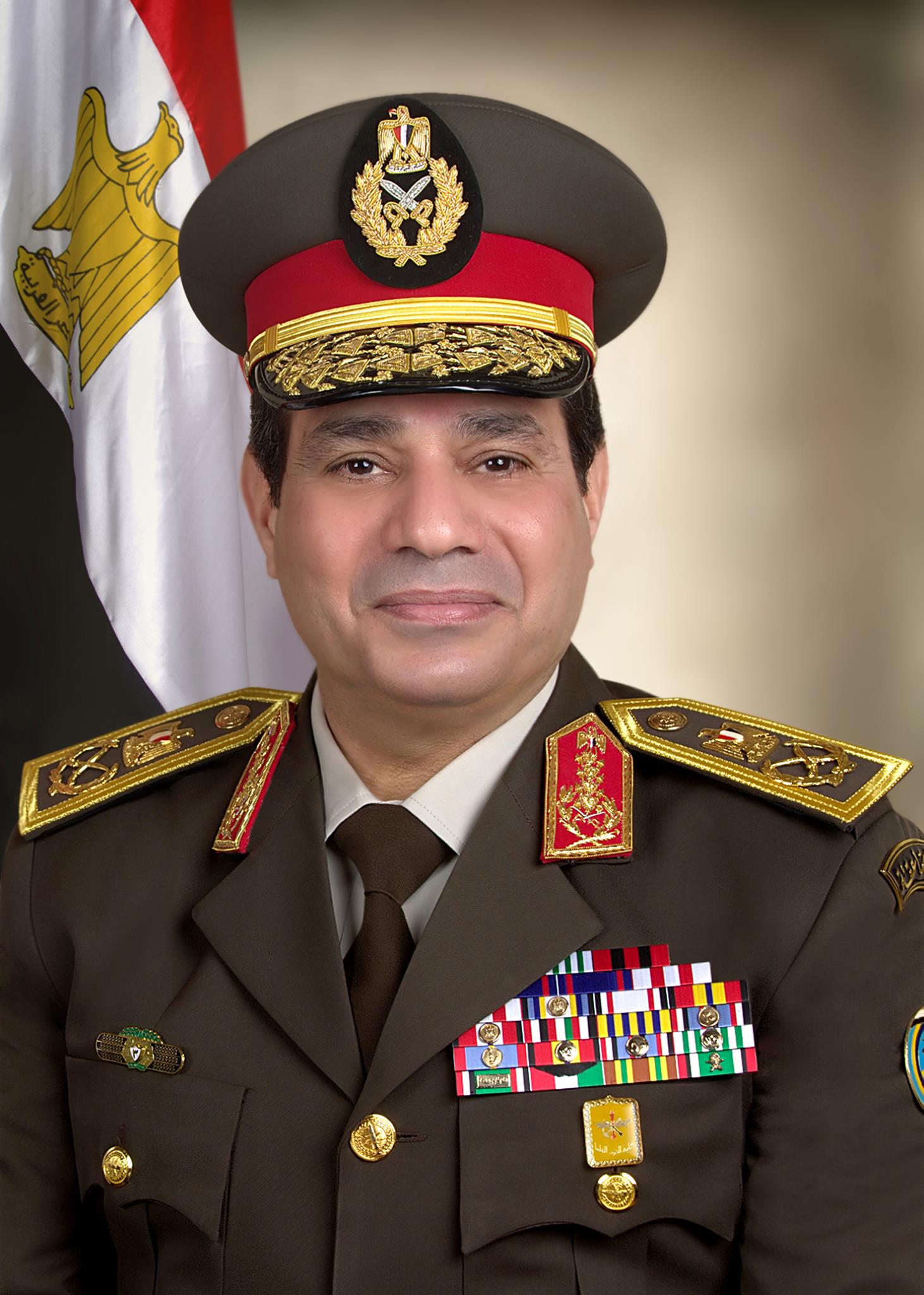 Abdel Fattah el-SisiEgypt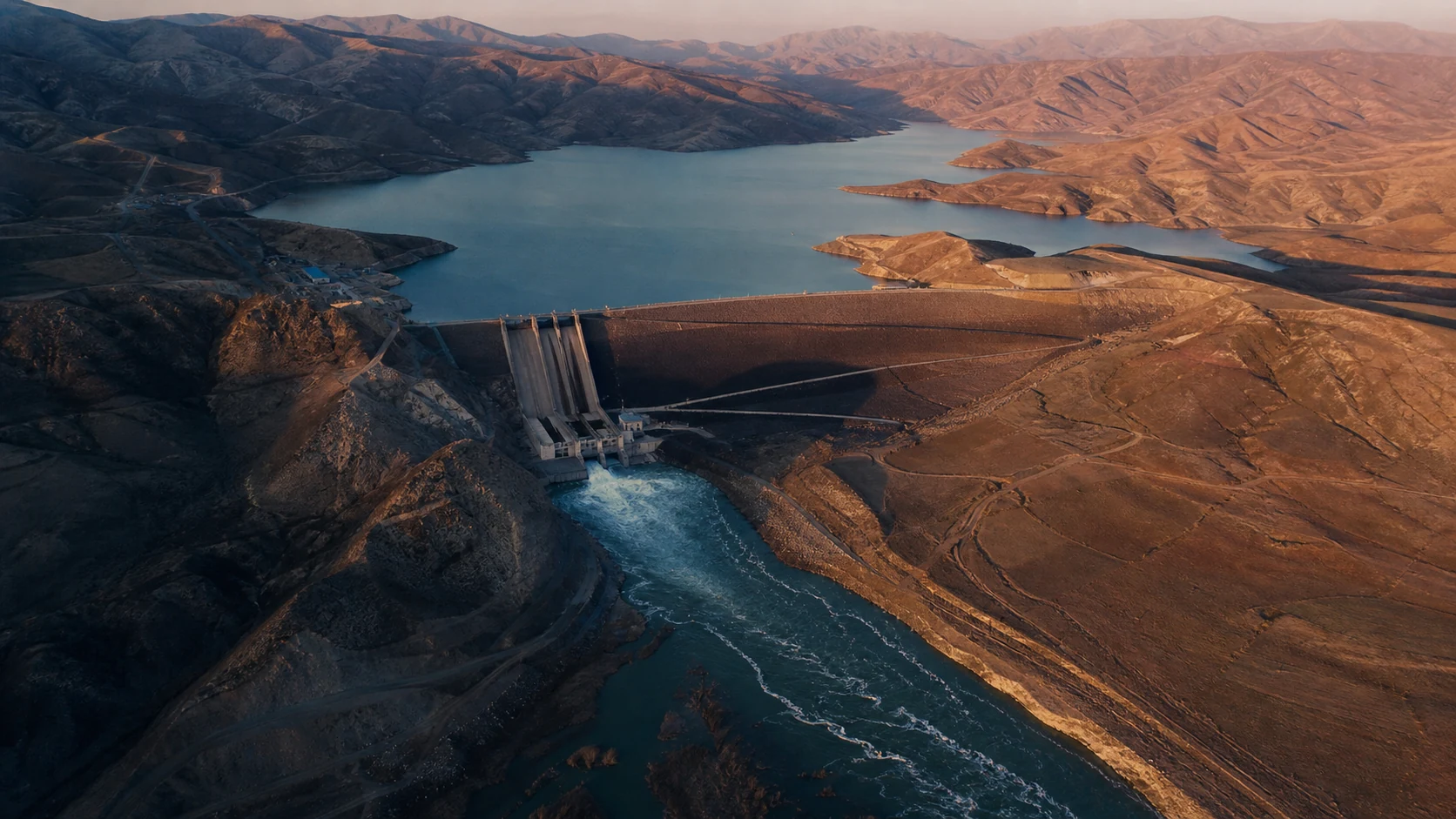
UPSTREAM BY DESIGN
Türkiye's major dam network sits above Iraq and Syria. The UN says flows into Iraq from the Tigris and Euphrates have fallen 30 to 40 percent over four decades, with climate and infrastructure both in the frame.
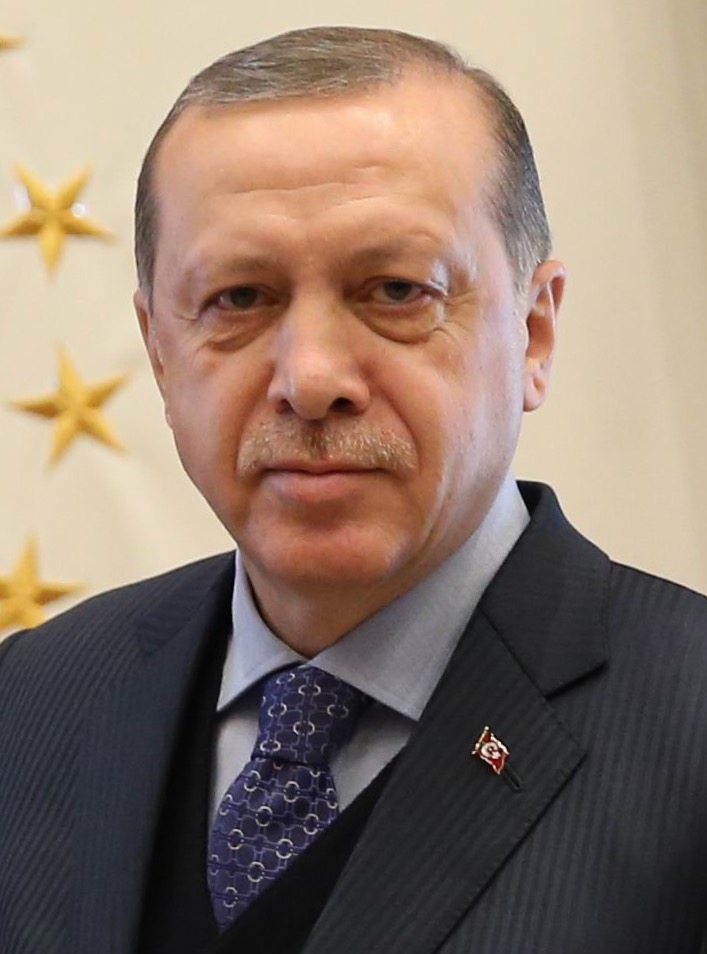 Recep Tayyip ErdoğanTürkiye / upstream
AZAli Faleh al-ZaidiIraq / downstream
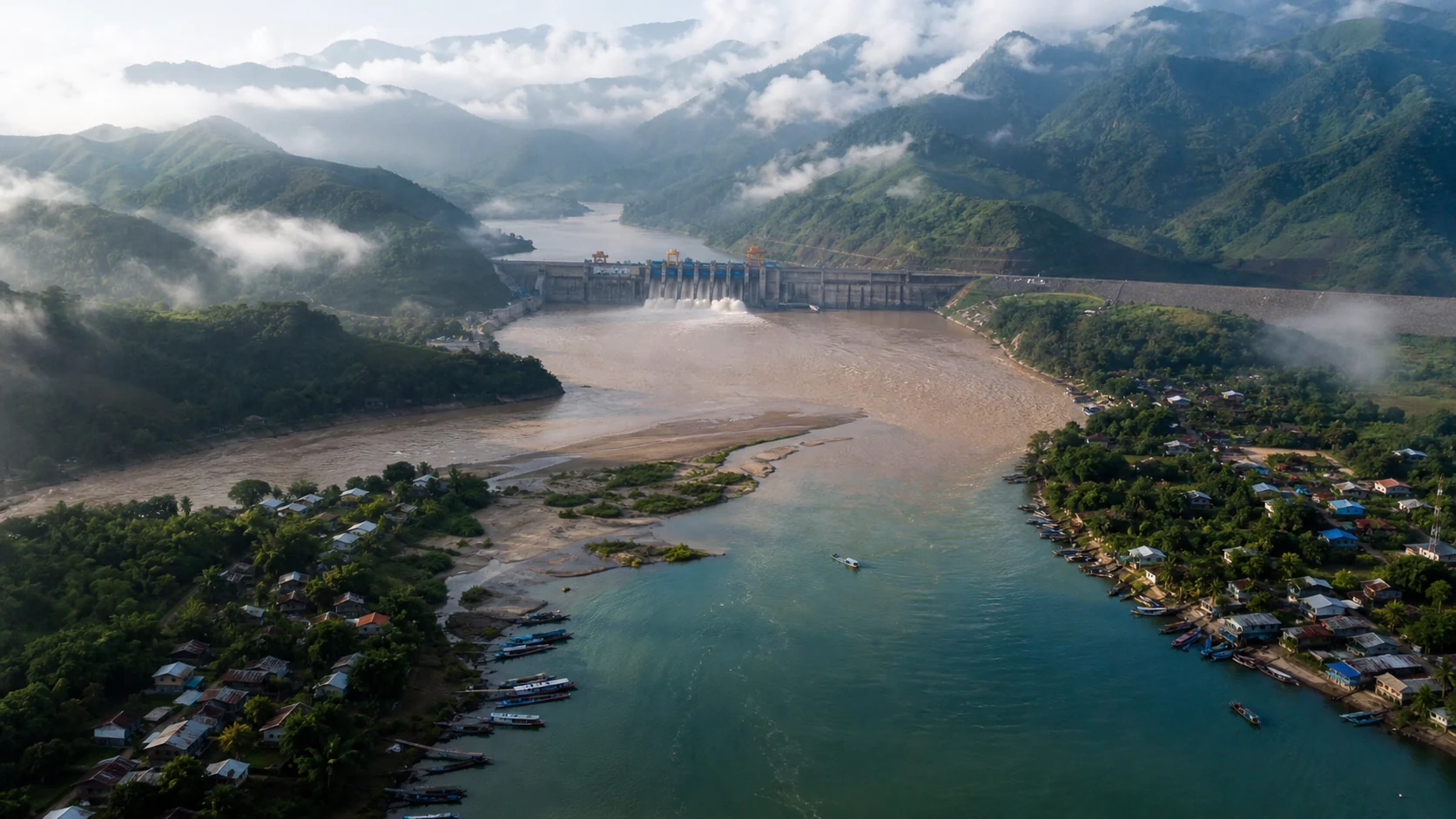
THE RIVER BECOMES A GRID
The Mekong River Commission reports that reservoir operations now strongly govern the upper river's seasonal dynamics. China also documents basin-wide hydrological data sharing and water cooperation.
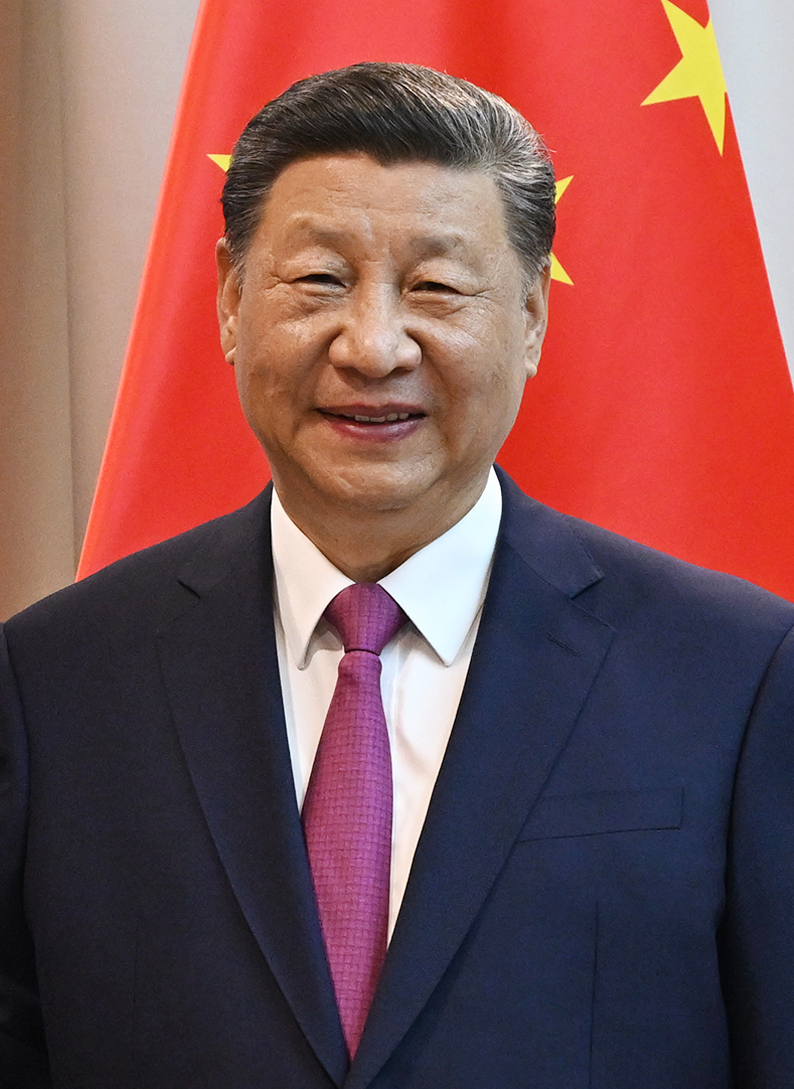 Xi JinpingChina / upper Lancang
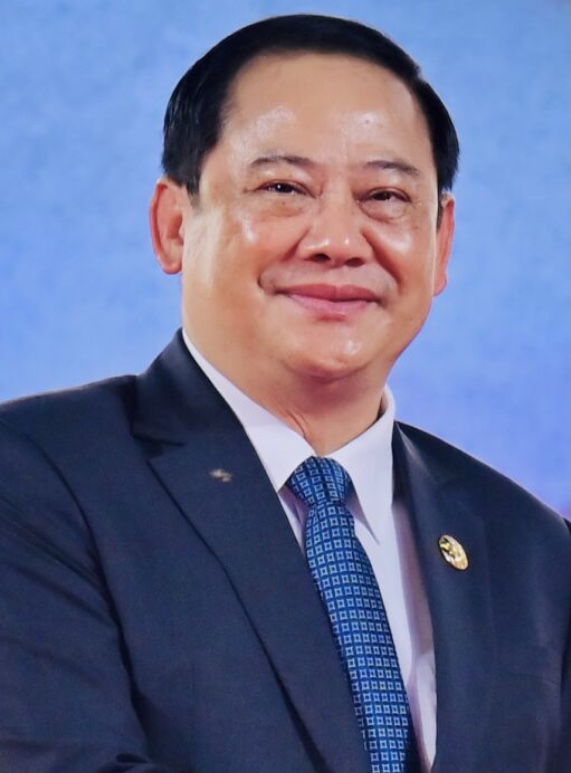 Sonexay SiphandoneLaos / hydropower state
WORLD LEADERSHIP WATCH / AUGUST 2026 OFFICES VERIFIED
The people
at the gates.
Every featured basin has an upstream decision maker, a downstream government, or both. This index tracks the leaders attached to the infrastructure and treaty files, not personalities in isolation.
DNIPRO / CRIMEABLUE NILETIGRIS / EUPHRATESMEKONGINDUSCOLORADO / RIO GRANDE
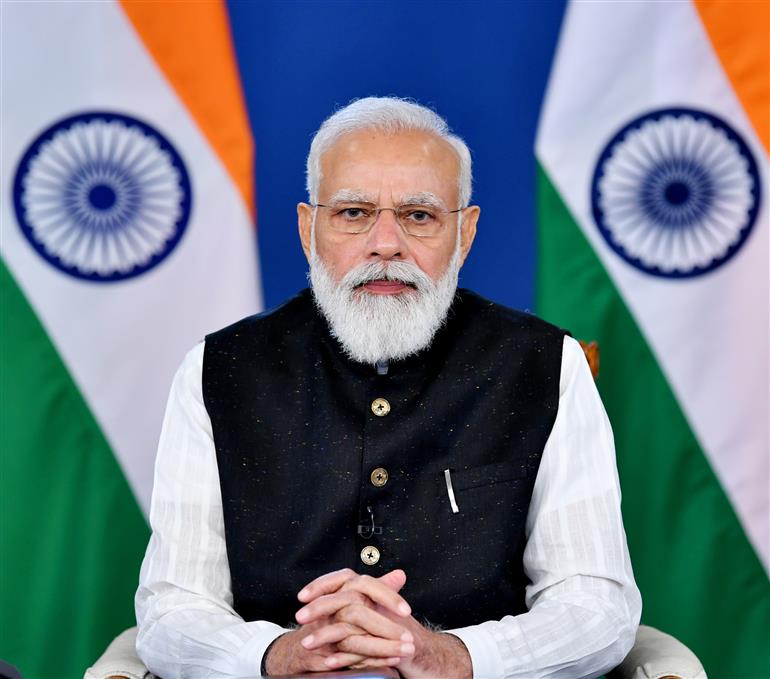
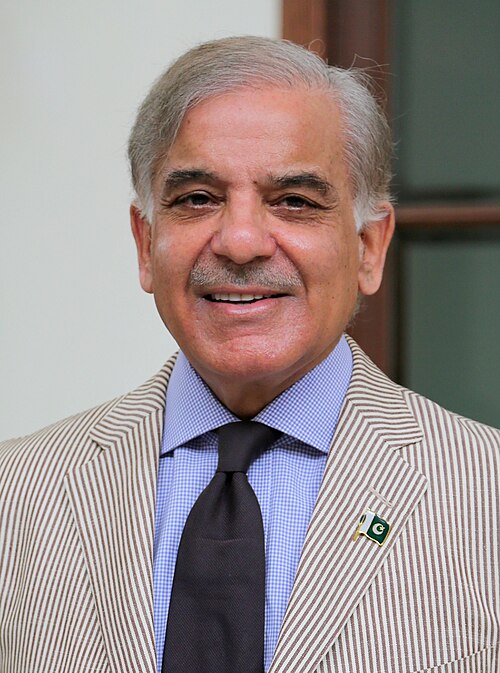
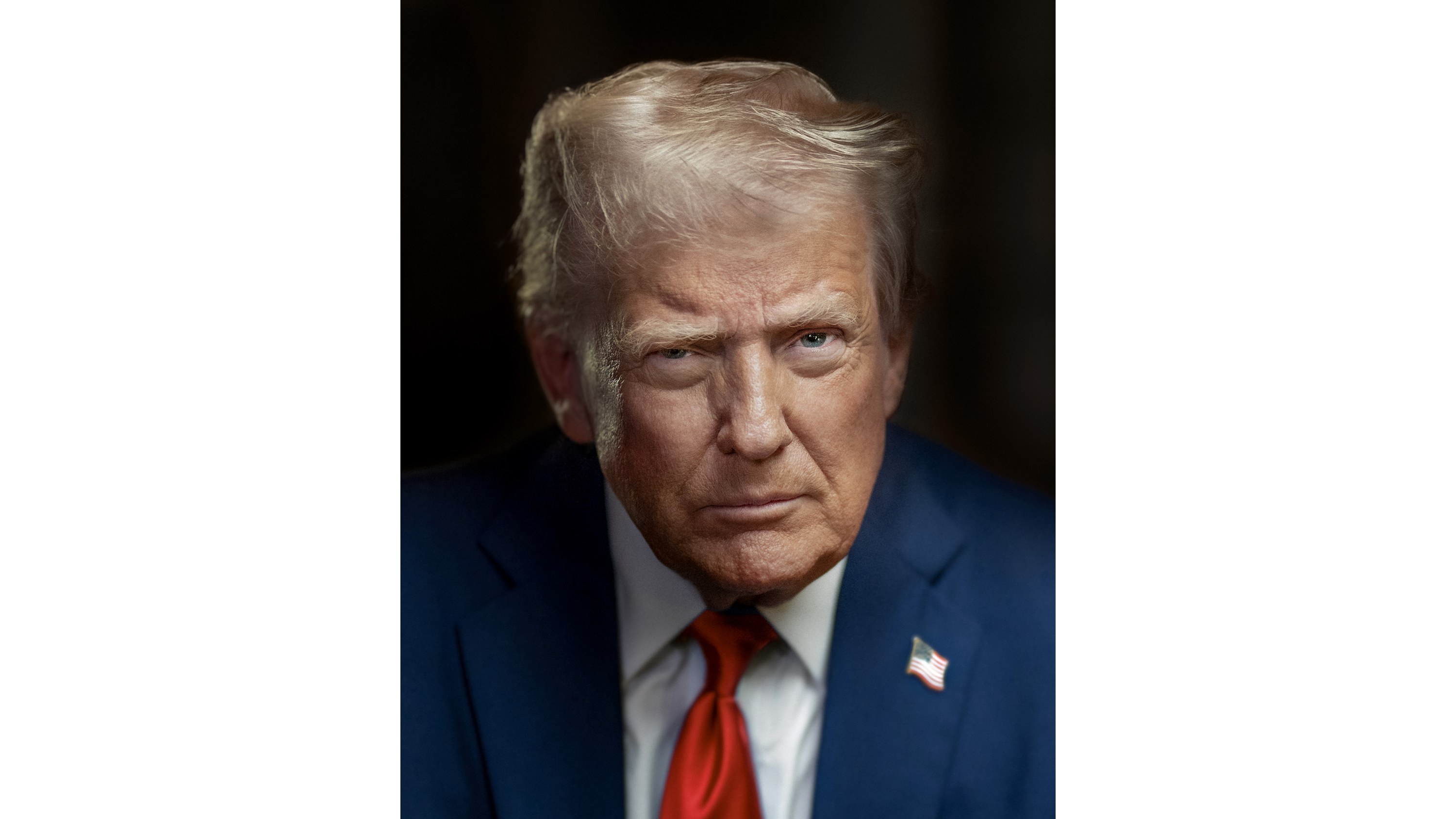

WHAT THIS INDEX MEANS
Leadership changes. Geography does not. WWR follows the office, the treaty power and the physical control point. Cards are updated when an office changes or stronger evidence arrives.
12 LEADERS / 12 COUNTRIES / 6 WATER SYSTEMSTHE FIVE OPEN FILES SOURCE TRAILS ACTIVE
What happened.
What changes next.
A river dispute is never one headline. It is a chain of construction decisions, operating rules, treaty claims and public consequences. These files show the chain and the offices that can change it.
FILE 02 / BLUE NILE
INFRASTRUCTURE AT STAKEGrand Ethiopian Renaissance Dam
Power generation upstream. Water-security demands downstream. The unresolved question is how the dam is operated and coordinated during dry years.
The dam is finished.
The operating rules are not.
Neither leader owns the Nile. Their governments hold different positions inside a shared basin where disclosure, drought coordination and enforceable rules matter to millions.
Construction begins
Ethiopia starts building GERD on the Blue Nile, creating a new upstream control point.
UN record ↗The reservoir begins filling
Filling starts while the three states still have no final agreement on long-term operation.
Security Council briefing ↗GERD is inaugurated
Ethiopia opens the completed project. The physical fact is settled, but regional operating confidence remains the live file.
UN letter ↗WATCH NEXT
- Dry-year release rules and reservoir coordination
- Real-time flow and operations data shared with downstream states
- A durable agreement accepted by Ethiopia, Egypt and Sudan
FILE 03 / TIGRIS + EUPHRATES
INFRASTRUCTURE AT STAKEUpstream dam network and cross-border releases
Iraq's public record says inflows have declined for decades. Rain can refill a reservoir for a season, but it cannot replace basin-wide rules.
A wet season is not
a water settlement.
Türkiye holds major upstream infrastructure. Iraq carries deep downstream exposure. Current talks matter because the basin still lacks one comprehensive operating arrangement.
Iraq joins the UN Water Convention
Iraq becomes the first Middle Eastern party and calls for stronger cross-border cooperation.
UN Iraq record ↗A national strategy names the dependency
Iraq's strategy calls for agreements with Türkiye, Syria and Iran on shared waters.
National strategy ↗Recovery remains uneven
UN reporting finds storage below one-fifth of system capacity and says Euphrates inflow from Türkiye remained insufficient despite rain.
UN rain brief ↗WATCH NEXT
- The proposed joint water administration between Iraq and Türkiye
- Euphrates inflow and published reservoir-release data
- Progress toward a basin-wide operating framework
FILE 04 / MEKONG
INFRASTRUCTURE AT STAKEA connected hydropower cascade
Dozens of reservoirs change the seasonal pulse. That affects fisheries, sediment, floodplain farming and the communities that read the river for their living.
When the river becomes
an operating schedule.
China and Laos are not the basin alone, but their infrastructure choices sit inside a system shared with Myanmar, Thailand, Cambodia and Vietnam.
Lower basin states sign the Mekong Agreement
The pact establishes cooperation, reasonable use and environmental protection for the shared river.
MRC agreement ↗China makes an emergency release
An emergency water supplement during drought shows both the value and the leverage of coordinated upstream operations.
Joint evaluation ↗The basin report measures a changed rhythm
MRC analysis says reservoir operations strongly govern upper-river seasonality and documents declining annual flow at Jinghong across the compared periods.
State of the Basin ↗WATCH NEXT
- Advance notice of major release and maintenance changes
- Complete hydrological data across all six basin states
- Sediment, fisheries and Tonle Sap health in future project decisions
FILE 05 / INDUS
INFRASTRUCTURE AT STAKEKishenganga, Ratle and the treaty system
The 1960 treaty survived wars and long political freezes. Its dispute machinery now carries a direct test over project design and state compliance.
A durable treaty enters
its hardest test.
The public interest is not served by slogans from either side. It depends on measurable flows, inspectable projects and lawful dispute resolution.
The Indus Waters Treaty is signed
The agreement allocates the western and eastern rivers while preserving defined uses and a dispute process.
World Bank treaty record ↗Two dispute tracks are appointed
The World Bank appoints a Neutral Expert and a Court of Arbitration after separate Indian and Pakistani requests over hydropower design.
Appointment record ↗The governments split on treaty status
India says the treaty is held in abeyance. Pakistan says it remains in force and invokes lawful treaty and diplomatic mechanisms.
India ↗Pakistan ↗WATCH NEXT
- The status of treaty meetings and technical data exchange
- Kishenganga and Ratle proceedings and compliance claims
- Any action affecting predictable downstream flows
FILE 06 / COLORADO + RIO GRANDE
INFRASTRUCTURE AT STAKEFederal operating rules and treaty deliveries
These rivers cross farms, cities, Tribal lands and a national border. Shortage rules decide how a shrinking supply is shared and whose voice counts.
The old rules expire.
The river keeps shrinking.
National leaders sit above a much larger negotiation involving states, Tribes, water users and the binational commission. Their duty is to keep that process visible and lawful.
The United States and Mexico sign the Water Treaty
The pact allocates Colorado and Rio Grande water and creates a permanent binational mechanism for implementation.
IBWC treaty history ↗Minute 331 targets Rio Grande reliability
The two countries approve new measures intended to improve the reliability and predictability of deliveries.
Binational record ↗New Colorado rules face an October deadline
Federal reporting says the seven basin states have not reached full consensus on the post-2026 framework serving 40 million people and 30 Tribal Nations.
Bureau of Reclamation ↗WATCH NEXT
- The final post-2026 operating guidelines and shortage formula
- Meaningful Tribal participation and recognition of water rights
- Transparent United States and Mexico treaty coordination
WATER IS A PUBLIC TRUSTPeople are not
People are not
downstream collateral.
No government, corporation or political movement should be able to hide decisions that determine who drinks, who farms and who carries the shortage. Power without public oversight invites abuse. Defend shared water in public, peacefully and lawfully.
THE GOAL IS ACCOUNTABILITY, NOT ESCALATION.Follow the documents
Read treaty records, operating plans and verified basin data before repeating a claim.
Demand release data
Reservoir levels, release schedules and drought rules should be visible to the people who depend on them.
Organize locally
Support watershed groups, public-interest researchers and peaceful civic campaigns in your basin.
Vote and testify
Use hearings, elections, public comments and lawful advocacy to keep water decisions under public scrutiny.
THE WATER LINE IS A CIVIC LINE
Keep watch. Ask who controls the gate. Ask who sees the data. Ask who carries the risk. Never accept secrecy as water policy.
Open the source library ↓THE REPEATING PATTERNOne river.
One river.
Four kinds of power.
Storage
Reservoir capacity turns seasonal flow into a managed release.
Timing
The month water arrives can matter as much as the volume.
Dependence
Farms and cities build around an expected flow.
Leverage
Control becomes bargaining power during stress.
Current decision makers attached to the active water files.
People supplied by the Colorado River across the United States and Mexico.
Ukrainian territory flooded after the Kakhovka dam breach.
Evidence-led water systems open in the WWR atlas.
THE RESERVETurn attention
Turn attention
into pressure.
WWR is building an independent public record of the infrastructure, policy and power behind freshwater security.
The token is designed as a community coordination layer for access, research priorities and participation. It is not ownership of physical water, a promise of returns or a substitute for primary evidence.
OPEN SOURCE TRAILSCOMMUNITY RESEARCHSOLANA ACCESS
Join the reserve ↓WWR ACCESS / SOLANA
THE TRADING DESK
Jupiter access is built in. Until the official WWR mint is published, the terminal opens in a SOL to USDC preview state.
JUPITER ROUTINGMAINNET / PRE-LAUNCH
1.00SOL
MARKETUSDC
Wallet connection occurs through Jupiter. WWR never asks for a seed phrase.
Don't take our
word for it.
Every major claim on this page connects to a public record. Read the documents, compare the positions and make up your own mind.
UNEP / 2023Rapid Environmental Assessment of the Kakhovka Dam BreachPrimary assessment / PDF ↗UN / UKRAINEKakhovka damage and loss assessmentInteragency record ↗UNITED NATIONS / 2025Ethiopia's Security Council letter on GERDState position / PDF ↗UN SECURITY COUNCILCall for Egypt, Ethiopia and Sudan to resume talksNegotiation record ↗UN / IRAQ / 2026Current Tigris and Euphrates water outlookUN Water Task Force ↗MEKONG RIVER COMMISSION2023 State of the Basin reportIntergovernmental report / PDF ↗WORLD BANK / INDUSHow the 1960 treaty allocates the river systemTreaty explainer ↗INDIA / STATE POSITIONIndia says the Indus treaty is held in abeyanceOfficial government record ↗PAKISTAN / STATE POSITIONPakistan says the Indus treaty remains in forceOfficial government record ↗USBR / COLORADO / 2026Post-2026 river rules move ahead without full state consensusFederal record ↗IBWC / US AND MEXICOMinute 331 on reliable Rio Grande deliveriesBinational record / PDF ↗COLORADO RIVER / LIVE FILEOperating rules, draft documents and public processCurrent federal docket ↗
OUR STANDARDSource first.
Source first.
Claim second.
- 01Prefer UN, treaty bodies and intergovernmental records.
- 02Use reputable reporting to reconstruct events.
- 03Label visual interpretations and competing state claims.
- 04Correct the record when stronger evidence appears.
Leader portraits are sourced from official government media and freely licensed Wikimedia Commons files. Licenses include public domain, CC BY 4.0, CC BY 2.0, the Government Open Data License India and Indonesian government public domain provisions. The Ali Faleh al-Zaidi card uses a typographic office marker because a reusable official portrait has not yet been verified. Generated landscape images are WWR visual interpretations, not documentary photographs.